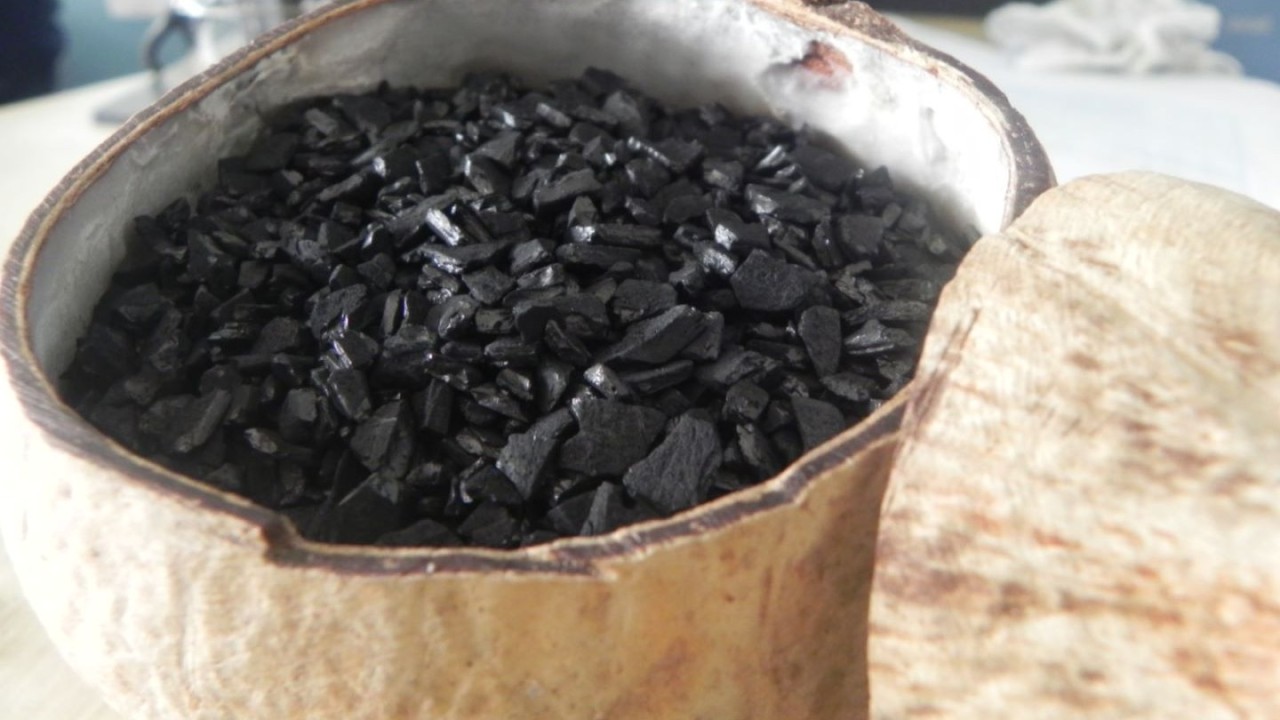
In recent years, environmental awareness has influenced many aspects of daily life, including the way people cook. Traditional wood charcoal, while widely used for grilling, contributes to deforestation, air pollution, and greenhouse gas emissions. As a sustainable alternative, eco-friendly coconut charcoal for grilling has gained popularity for both its environmental benefits and superior performance. Derived from discarded coconut shells, this charcoal is renewable, efficient, and produces cleaner, longer-lasting heat compared to conventional options. Often processed into coconut shell charcoal briquette, it offers consistent size and shape, making it easy to handle and ideal for household and industrial grilling. Understanding its properties, production, and uses highlights why it has become a preferred choice for eco-conscious consumers.
Coconut Charcoal Explained
Coconut charcoal is created by heating coconut shells at high temperatures in a controlled, low-oxygen environment. By carbonizing coconut shells, moisture and volatile compounds are eliminated, creating dense, carbon-packed charcoal. Unlike wood charcoal, it does not contribute to deforestation, making it a more sustainable choice. For grilling purposes, coconut charcoal is often compressed into coconut shell charcoal briquettes, which are easy to handle, ignite, and burn consistently.
Advantages of Eco-Friendly Coconut Charcoal for Grilling
One of the key benefits of coconut charcoal is its environmental friendliness. By utilizing coconut shells—an agricultural byproduct—this charcoal repurposes waste that would otherwise be discarded or burned openly. This reduces pollution and conserves natural forests.
Another advantage is long-lasting heat. Coconut charcoal delivers sustained, high heat, reducing the need for continual replenishment during grilling. It also produces less smoke and fewer sparks, making it safer and more enjoyable for outdoor cooking. Additionally, coconut charcoal enhances flavor. Free from the additives and chemicals common in wood charcoal, it keeps the true flavors of grilled dishes intact.
Practical Applications
Eco-friendly coconut charcoal is widely used in household barbecues, restaurant grills, and outdoor catering. Its steady burn and high heat make it ideal for searing, slow-cooking, and smoking food. The charcoal’s uniform shape and size, especially in briquette form, make it easy to manage and maintain consistent cooking temperatures.
Beyond cooking, coconut charcoal also has secondary uses. After grilling, the leftover ash can serve as a natural fertilizer or soil amendment, further promoting sustainability in everyday life.
Health and Environmental Impact
Using coconut charcoal not only supports better health but also contributes to environmental sustainability. The minimal smoke and absence of harmful chemicals reduce exposure to pollutants commonly associated with wood charcoal. At the same time, the sustainable production process prevents unnecessary tree cutting and decreases greenhouse gas emissions, contributing to cleaner air and a healthier planet.
Tips for Using Coconut Charcoal
To maximize performance, it is recommended to preheat coconut charcoal for 10–15 minutes before placing food on the grill. Avoid using lighter fluids or chemical starters, as the briquettes ignite naturally and provide clean, consistent heat. Proper storage in a dry, cool area ensures the charcoal retains its efficiency and burns effectively.
Conclusion
Eco-friendly coconut charcoal for grilling combines sustainability, efficiency, and superior cooking performance. Its renewable origin, long-lasting heat, minimal smoke, and ability to preserve food flavor make it a smart alternative to conventional wood charcoal. By choosing coconut charcoal, consumers can enjoy delicious grilled meals while supporting environmentally responsible practices and reducing their ecological footprint. From backyard barbecues to professional kitchens, this natural and versatile material proves that grilling can be both flavorful and eco-conscious.