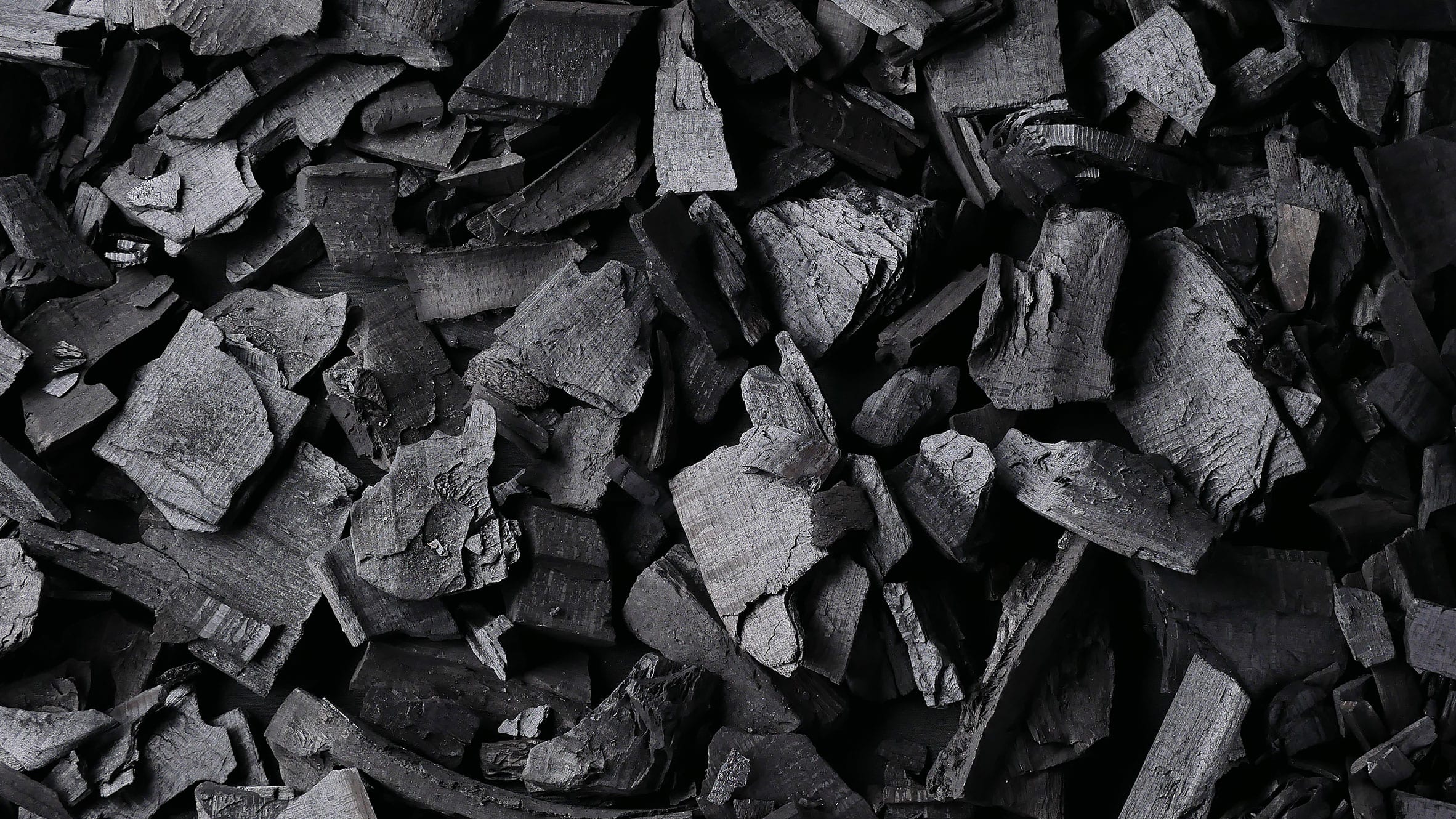
Low emission charcoal briquettes are emerging as a promising solution in the face of climate change and environmental pollution. The need for eco-friendly energy sources is becoming increasingly urgent, and this type of charcoal is designed to reduce environmental impact while promoting sustainable practices.
This innovation not only supports cleaner energy use but also opens valuable new opportunities in sustainable waste management and community empowerment, helping to create a healthier environment and stronger local economies.
What is Low Carbon Footprint Charcoal?
Low carbon footprint charcoal is a type of charcoal made through a cleaner and more efficient process compared to traditional methods. Instead of burning wood in an open fire, this charcoal is produced using pyrolysis—a technique where biomass is heated in a sealed environment with limited oxygen. This method significantly reduces the release of harmful gases.
By using agricultural waste like rice husks, coconut shells, or sawdust, this charcoal not only cuts down on carbon emissions but also produces much less smoke and air pollution. It’s a smarter and greener way to create a fuel that still delivers the heat and quality people expect from charcoal, but with a much smaller impact on the environment.
Turning Waste into Energy
One of the main strengths of low carbon charcoal lies in its use of renewable, often discarded materials. Agricultural and wood industry waste typically burned or left to rot can now be turned into a valuable energy source.
Benefits of this approach include:
- Reducing organic waste volume
- Transforming trash into a valuable product
- Lessening dependence on forest wood for fuel
Technology and Community Working Together
Producing eco-friendly charcoal doesn’t require expensive technology. In many regions, local communities are being trained to make low carbon charcoal using simple kilns. These initiatives open up new opportunities for villages and small businesses to:
- Create local jobs
- Increase household income
- Build a circular economy model
Moreover, this approach preserves local wisdom and tradition, as charcoal-making continues—but now in a cleaner, smarter way.
Positive Impact on the Environment and Energy Future
Low carbon footprint charcoal creates multiple environmental and social benefits:
- Reduces greenhouse gas emissions
- Slows down deforestation
- Supports the transition to clean energy
- Offers an affordable energy alternative for communities
As global awareness of climate issues grows, this product also holds strong export potential, particularly to countries that prioritize sustainable consumption.
Conclusion
Low carbon footprint charcoal is much more than just a technological innovation—it represents a significant and cleaner step forward toward a greener, more sustainable, and inclusive energy future. By effectively transforming agricultural and organic waste into valuable fuel, empowering local communities through new opportunities, and actively protecting the environment.
this type of charcoal embodies a real and positive change that begins right at the grassroots level. Learn more about this movement at JacoID, a platform committed to promoting sustainable charcoal solutions.
Now is the time for us to move beyond outdated and highly polluting energy practices, and embrace clean, renewable, and sustainable solutions that can benefit both current and future generations. The choice lies in our hands: we can either continue relying on old methods that harm the planet, or we can boldly step forward with cleaner alternatives that provide health, economic.