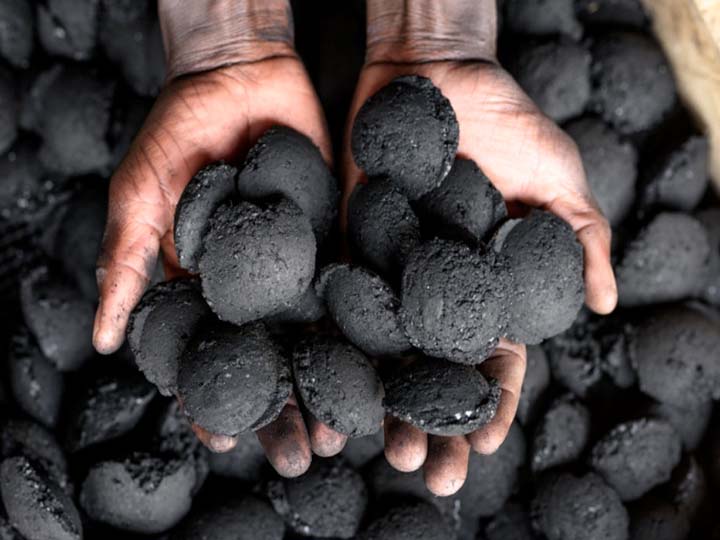
The global demand for energy continues to rise, and coal has long been a major source of fuel for industrial and domestic purposes. However, coal comes with significant environmental costs, including greenhouse gas emissions, air pollution, and habitat destruction. This has prompted the search for sustainable briquette alternatives to coal that can provide efficient energy while minimizing ecological impact. Among these alternatives, biomass-based briquettes are gaining attention as a practical and eco-friendly solution.
Why Look for Sustainable Alternatives?
Coal is known for its high carbon content and energy density, which makes it a powerful fuel source. But this energy comes at the cost of environmental degradation. Burning coal releases carbon dioxide, sulfur dioxide, and nitrogen oxides, contributing to climate change and air quality issues. Moreover, coal mining often leads to land degradation and water pollution.
In this context, the development of sustainable briquette alternatives to coal is not just a technological innovation but an environmental necessity. By replacing coal with renewable and biodegradable fuels, we can reduce carbon footprints, improve air quality, and promote energy security.
Biomass Briquettes: An Eco-Friendly Solution
Biomass briquettes are compact blocks made from organic waste such as agricultural residues, sawdust, and nutshells. These briquettes serve as a renewable energy source that burns efficiently and produces less smoke compared to coal. One of the most popular options is the coconut shell charcoal briquette, which utilizes coconut shells that would otherwise go to waste.
Advantages of Coconut Shell Charcoal Briquettes
- Renewable Resource: Coconut shells are an abundant by-product of the coconut industry, making them a sustainable raw material for fuel.
- Lower Emissions: Compared to coal, coconut shell charcoal briquette produces significantly fewer greenhouse gases and pollutants during combustion.
- High Calorific Value: These briquettes deliver energy levels comparable to coal, ensuring effective heating and cooking.
- Waste Utilization: Using coconut shells for briquettes helps reduce agricultural waste, contributing to a circular economy.
Cost-Effective: Production costs are relatively low, especially in regions with high coconut production.
Production Process of Sustainable Briquettes
The production of biomass briquettes, including coconut shell charcoal briquette, involves several steps:
- Collection and Preparation: Raw materials such as coconut shells, sawdust, or rice husks are collected, cleaned, and dried.
- Carbonization (Optional): Some briquettes, like coconut shell charcoal, undergo carbonization to improve energy content and reduce moisture.
- Grinding: The material is ground into a fine powder to facilitate uniform compression.
- Binding: Natural binders such as starch or molasses are added to help the powder hold its shape.
- Compression: The mixture is compressed using a briquette machine into uniform shapes and sizes.
- Drying: Finally, the briquettes are dried to achieve the required moisture content for efficient burning.
This process results in a durable, transportable, and environmentally friendly fuel product that can replace coal in many applications.
Applications of Sustainable Briquettes
Sustainable briquette alternatives to coal have diverse applications across industries and households. Some notable uses include:
- Industrial Boilers: Many manufacturing facilities are adopting biomass briquettes to reduce carbon emissions while maintaining energy efficiency.
- Cooking Fuel: In regions with limited access to electricity or clean cooking gas, briquettes offer a safer and cleaner alternative.
- Power Generation: Biomass briquettes can be co-fired with coal in power plants, lowering overall coal consumption.
- Barbecue and Grilling: Coconut shell charcoal briquette is particularly popular for barbecues due to its consistent heat and minimal smoke.
Environmental and Social Benefits
Switching from coal to sustainable briquettes brings multiple environmental and social advantages:
- Reduced Carbon Footprint: Biomass briquettes release less CO2 and other harmful gases compared to coal.
- Waste Management: Utilizing agricultural and industrial residues reduces landfill waste and environmental pollution.
- Job Creation: The production and distribution of briquettes provide employment opportunities in rural areas.
- Energy Security: Local biomass resources reduce dependency on imported coal and promote self-sufficient energy systems.
Challenges and Considerations
Despite their benefits, sustainable briquette alternatives to coal also face challenges. The initial setup for production requires investment in machinery and infrastructure. Additionally, supply chain management is crucial to ensure consistent raw material availability. Quality control is another key factor; poor-quality briquettes may burn inefficiently or produce excess smoke.
However, with proper planning and technological support, these challenges can be mitigated, making biomass briquettes a viable long-term solution.
The Future of Coal Alternatives
The global shift toward renewable and sustainable energy sources is accelerating. As industries and households seek greener solutions, the demand for sustainable briquette alternatives to coal will continue to rise. Among the promising options, coconut shell charcoal briquette stands out for its efficiency, affordability, and positive environmental impact.
Investing in sustainable briquette production not only addresses environmental concerns but also promotes socio-economic development. By integrating renewable energy practices into daily life and industrial operations, we can move toward a cleaner, more sustainable future.
Conclusion
The search for sustainable briquette alternatives to coal is critical in the global effort to reduce carbon emissions and promote cleaner energy. Biomass briquettes, particularly coconut shell charcoal briquette, offer an effective, renewable, and eco-friendly solution. With proper production methods, quality control, and community engagement, these briquettes can replace coal in various applications, from cooking to industrial energy use. Adopting these alternatives contributes to environmental preservation, economic growth, and a more sustainable planet for future generations.