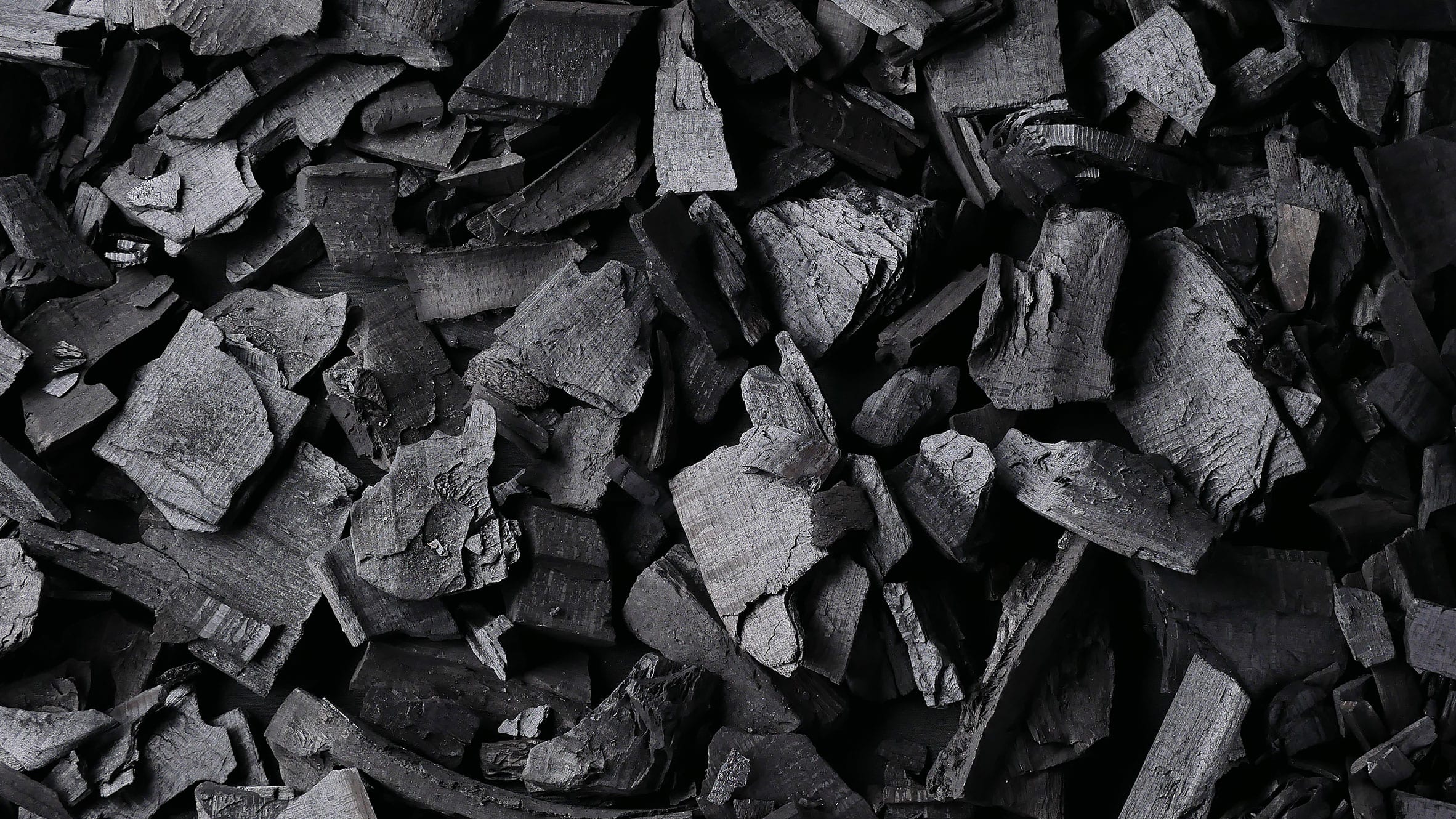
Why Briquettes Can be Used as an Alternative Energy Source, As the world searches for cleaner, more efficient, and sustainable fuels, the coconut shell charcoal briquette has emerged as a promising alternative. Briquettes, in general, are compressed blocks of combustible material designed to produce steady and long-lasting heat.
They Briquettes who Can be Used as an Alternative Energy Source now being recognized as a renewable energy option that can help reduce reliance on fossil fuels while utilizing natural and waste resources effectively.
Renewable and Readily Available
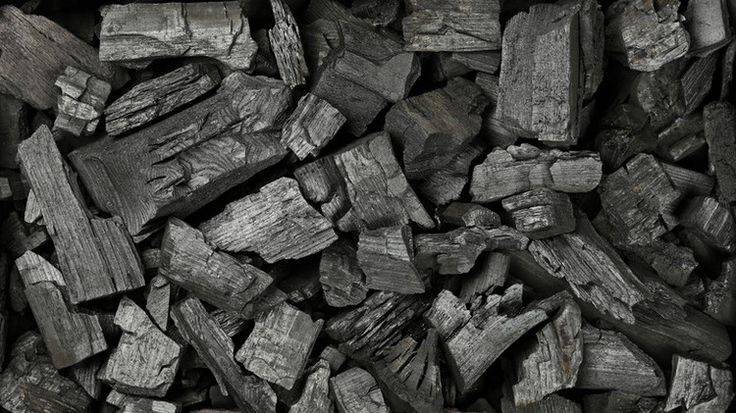
One of the main reasons briquettes can be used as an alternative energy source is their renewable nature. Unlike coal or petroleum, which take millions of years to form, briquettes can be produced from biomass that is available year-round. Coconut shells, sawdust, agricultural residues, and other plant-based waste materials are among the most common raw materials.
In countries where coconuts are abundant, coconut shells are often discarded as waste after processing the fruit for water, milk, or flesh. By converting these shells into briquettes, communities can create a valuable energy product from a material that would otherwise go unused or be burned in open air, which causes pollution.
High Energy Efficiency
Briquettes, especially those made from coconut shell charcoal, have a high calorific value—meaning they can produce a large amount of heat from a small amount of fuel. This makes them highly efficient for cooking, heating, and even certain industrial applications. Compared to raw wood, briquettes burn longer, produce less smoke, and maintain a steady temperature, which makes them safer and more convenient to use.
Environmental Advantages
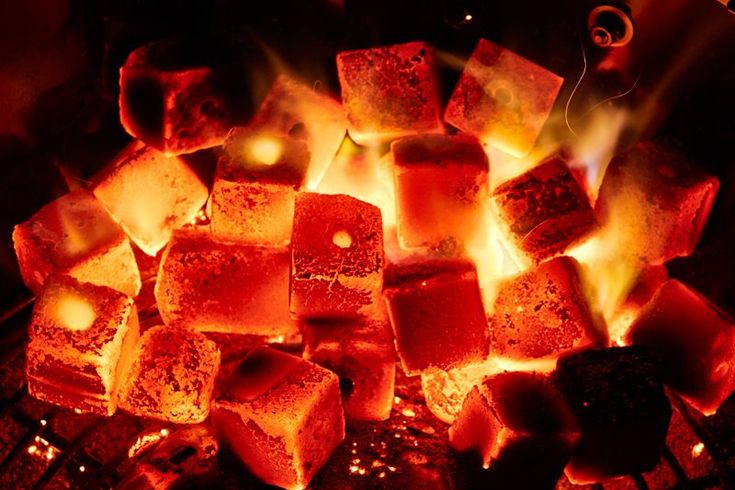
The environmental benefits of briquettes are significant. They contribute to cleaner energy production in several ways:
-
Waste Utilization – Briquettes help recycle agricultural waste into useful fuel, reducing the need for landfills and open burning.
-
Reduced Deforestation – Using biomass briquettes can lessen the demand for firewood, which in turn helps preserve forests and biodiversity.
-
Lower Carbon Emissions – When burned, briquettes release less carbon monoxide and other harmful gases compared to coal or raw biomass.
-
Cleaner Indoor Air – Because they produce minimal smoke, briquettes are a healthier option for indoor cooking, especially in rural areas.
By replacing traditional fuels with briquettes, communities can improve air quality, reduce greenhouse gas emissions, and promote sustainable energy practices.
How Briquettes Are Made
The production process of briquettes is relatively straightforward but requires the right equipment and knowledge to ensure high quality:
-
Collection of Raw Material – This can include coconut shells, sawdust, rice husks, or other biomass.
-
Carbonization – The raw material is burned in a low-oxygen environment to produce charcoal without turning it to ash.
-
Grinding – The charcoal is ground into fine powder to achieve a consistent texture.
-
Mixing with a Binder – A natural binder, such as tapioca starch or cornstarch, is mixed with the charcoal powder to help it hold its shape.
- Molding and Pressing – The blended material is formed into consistent briquette shapes with the help of either a manual or a mechanical press.
-
Drying – The briquettes are dried in the sun or in a drying oven until their moisture content is low, ensuring better burning performance.
Conclusion
Briquettes can be used as an alternative energy source because they are renewable, efficient, and environmentally friendly. By transforming agricultural waste like coconut shells into high-quality fuel, we can reduce our dependence on fossil fuels, minimize environmental harm, and create economic opportunities for communities. The coconut shell charcoal briquette is a perfect example of how innovation and sustainability can work together to meet the world’s growing energy needs.