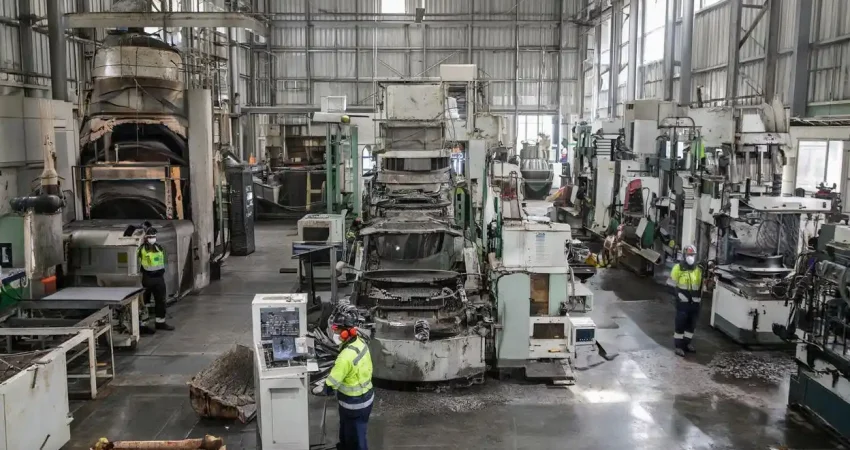
The coconut shell charcoal briquette industry continues to grow rapidly in domestic and export markets. Coconut shell charcoal briquette plant becomes an attractive investment for entrepreneurs wanting to leverage sustainable business opportunities. This factory processes coconut shell waste into high economic value products.
Building a charcoal briquette factory requires mature planning and adequate technical understanding. Additionally, selecting the right location and technology greatly determines long-term operational success.
Essential Components of Coconut Briquette Plant
Coconut shell charcoal briquette plant requires several integrated production components. First, a receiving and storage area for coconut shell raw materials with adequate capacity. Then, carbonization kilns serve as the production heart to transform shells into quality charcoal.
Subsequently, the factory needs crushing machines to grind charcoal into fine powder. After that, industrial mixers blend charcoal powder with binders evenly. As a result, product quality consistency remains maintained throughout the production process.
Several other important equipment includes:
- Hydraulic briquette molding machines or extruders
- Drying area with ovens or greenhouses
- Quality control facilities and mini laboratory
- Finished product storage warehouse
Strategic Location for Charcoal Briquette Factory
Choosing a location for coconut shell charcoal briquette plant requires analysis of several critical factors. First of all, proximity to coconut shell raw material sources significantly reduces transportation costs. In fact, locations in coconut plantation areas provide significant competitive advantages.
Then, access to good transportation infrastructure facilitates product distribution to markets. Moreover, availability of stable electricity and water supplies supports smooth daily operations. Therefore, many investors choose locations in industrial estates with complete facilities.
Production Capacity of Briquette Plant
Coconut shell charcoal briquette plant can be built in various scales according to capital and target markets. Specifically, small-scale factories process 500-1000 kg of raw materials per day. Meanwhile, medium-scale factories process 2-5 tons of shells daily to meet regional demand.
For export markets, large-scale factories process more than 10 tons per day with automation technology. Consequently, production efficiency increases drastically and cost per unit becomes more competitive.
Collaborating with experienced coconut charcoal briquette supplier helps determine optimal production scale. In fact, professional suppliers can provide consultation about machine capacity and efficient factory layout.
Investment for Shell Charcoal Plant
Building coconut shell charcoal briquette plant requires initial investment that varies depending on scale. First, production equipment costs comprise 40-50 percent of total initial investment. Then, factory infrastructure and utilities construction takes 30-35 percent of capital.
Subsequently, working capital for raw materials and operations needs calculation. Usually, break even point arrives within 18-24 months with efficient management. As a result, return on investment becomes attractive for medium-term ventures.
Several financing sources to consider include:
- Bank loans with investment credit schemes
- Partnership programs with large companies
- Investors focusing on green business
Operational Management Aspects
Running a successful coconut shell charcoal briquette plant requires a competent management team. First, recruit trained production operators in operating carbonization and molding machines. Then, quality control staff ensures every batch meets established specifications.
Additionally, good inventory management systems optimize raw material usage and minimize waste. For complete guidance about operational best practices, you can visit jacoid.com which provides various technical articles and industry case studies.
Finally, implementing work safety standards protects employees. Thus, productivity remains maintained while keeping a safe work environment.
Conclusion
Coconut shell charcoal briquette plant represents a strategic investment that combines profitable business opportunities with environmental sustainability. Building a briquette factory requires comprehensive planning from location selection, production scale determination, to mature investment calculations. Operational success depends on choosing the right technology, competent management, and strict quality control systems. With a structured business approach and commitment to quality, coconut shell charcoal briquette factories can provide sustainable long-term profits for investors.
