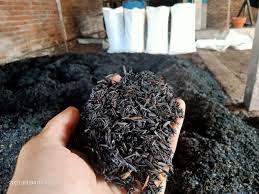
Charcoal has been used for centuries as a soil amendment due to its unique properties. It is highly porous, making it excellent for aeration and moisture retention.
Charcoal’s ability to improve plant growth by filtering toxins and maintaining optimal soil conditions is why it is becoming an essential component in modern gardening practices. Whether used in pots or directly in garden beds, charcoal ensures a balanced and healthy environment for plants.
Benefits of Using Charcoal in Gardening
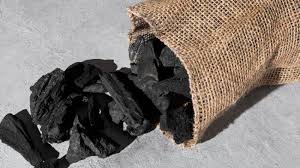
1. Enhancing Soil Quality
Charcoal helps regulate soil pH, absorb harmful toxins, and promote the growth of beneficial microbes, which support nutrient cycling. Its porous structure also retains nutrients, ensuring they remain accessible to plants over time for healthier growth.
As a planting medium, charcoal improves drainage, reduces soil compaction, and enhances aeration, providing a better environment for root development. It is especially useful in potted plants and garden beds, helping to create a balanced and healthy growing medium for various plants.
2. Improving Drainage
One of charcoal’s key benefits is its ability to prevent waterlogging by enhancing soil drainage. Its porous nature allows excess water to flow through while retaining enough moisture for plant roots. This characteristic is particularly beneficial for plants sensitive to overwatering.
3. Preventing Plant Diseases
Charcoal acts as a natural filter, reducing the presence of pathogens in the soil. By absorbing excess moisture and improving airflow, charcoal helps prevent the buildup of mold and mildew around plant roots. This creates a healthier growing environment and reduces the risk of disease.
Types of Charcoal Suitable for Gardening
Not all charcoal is the same. Different types include activated charcoal, horticultural charcoal, and biochar, each with specific properties and uses:
- Activated Charcoal, ideal for filtering toxins and improving soil aeration.
- Horticultural Charcoal, commonly used in potting mixes to enhance drainage.
- Biochar, produced specifically for agricultural use, biochar improves soil fertility and carbon sequestration.
Each type offers unique benefits, so selecting the right charcoal depends on your gardening needs.
How to Use Charcoal in Planting
1. Mixing with Soil
Adding charcoal directly to the soil improves its structure and fertility. Mix 5-10% of charcoal into the soil to ensure proper aeration and nutrient retention. This technique works well for vegetable gardens and flower beds.
2. Layering in Pots
Using charcoal as a bottom layer in pots enhances drainage and prevents root rot. Place a thin layer of charcoal at the bottom of the pot before adding soil. This method is especially effective for indoor plants, as it prevents water from stagnating.
Practical Applications of Charcoal in Different Garden Settings
Charcoal can be utilized in various gardening setups, including:
- Indoor Plants, enhances drainage and reduces odors.
- Outdoor Gardens, improves soil structure and prevents waterlogging.
- Terrariums, maintains cleanliness and prevents mold growth.
By adapting its use to specific garden types, charcoal becomes a versatile and practical tool for gardeners.
Tips for Maximizing Charcoal’s Effectiveness
- Combine charcoal with compost to enhance nutrient content.
- Use fine, crushed charcoal for better integration with soil.
- Apply charcoal to areas prone to water retention to improve drainage.
- Store charcoal in a dry place to maintain its effectiveness.
Conclusion
Charcoal as a planting medium offers numerous benefits, making it an excellent addition to any gardener’s toolkit. By improving soil quality, boosting drainage, and preventing diseases, charcoal ensures healthier and more vibrant plants.
Whether you are growing houseplants, vegetables, or flowers, incorporating charcoal into your gardening routine can lead to long-term success and sustainability.
Want healthier plants? Explore the benefits of charcoal as a planting medium. Learn more about sustainable charcoal production and its eco-friendly impact in our full article!
