In recent years, the urgency to address climate change and environmental degradation has become more pronounced. As a result, many households and industries are seeking out eco-friendly alternatives to traditional fossil fuels, particularly in the realm of energy sources for heating and cooking. Among these alternatives, eco-friendly briquettes have gained popularity as a sustainable option.
This article will explore various types of eco-friendly briquette alternatives, their benefits, and how they contribute to a greener planet.
What are Eco-Friendly Briquettes?
Eco-friendly briquettes are solid fuel blocks made from organic materials such as agricultural waste, wood residues, or natural biomass. Unlike conventional briquettes made from coal or synthetic materials, eco-friendly briquettes are designed to be a more sustainable option that generates less pollution and greenhouse gas emissions. They can be used for a variety of applications, including cooking, heating, and even in industrial settings.
Types of Eco-Friendly Briquette Alternatives
- Wood Briquettes
Wood briquettes are made from compressed sawdust or wood shavings, often generated as waste by the lumber industry. These briquettes are an excellent eco-friendly alternative because they utilize materials that would otherwise contribute to landfill waste. Wood briquettes tend to burn longer and cleaner than traditional wood logs, emitting fewer pollutants and providing consistent heat. - Coconut Shell Briquettes
Coconut shell briquettes are another popular eco-friendly choice. Made from compressed coconut shells, these briquettes are not only sustainable but also have a high calorific value. They produce minimal smoke and ash when burned, making them ideal for both indoor and outdoor cooking. Additionally, they help reduce waste in coconut processing industries. - Rice Husk Briquettes
Rice husk briquettes utilize the by-products of rice milling. Rice husks are a renewable resource that is often discarded as waste. By converting them into briquettes, we can utilize these materials efficiently. Rice husk briquettes are known for their high combustion efficiency and low ash content, making them a great alternative for both cooking and heating. - Agricultural Residue Briquettes
Various agricultural residues such as corn stalks, sugarcane bagasse, and wheat straw can be compressed into briquettes. These briquettes not only provide a use for what would otherwise be waste but also promote sustainable agricultural practices. Farmers can reduce their environmental impact by using leftover crop materials to create a fuel source. - Paper and Cardboard Briquettes
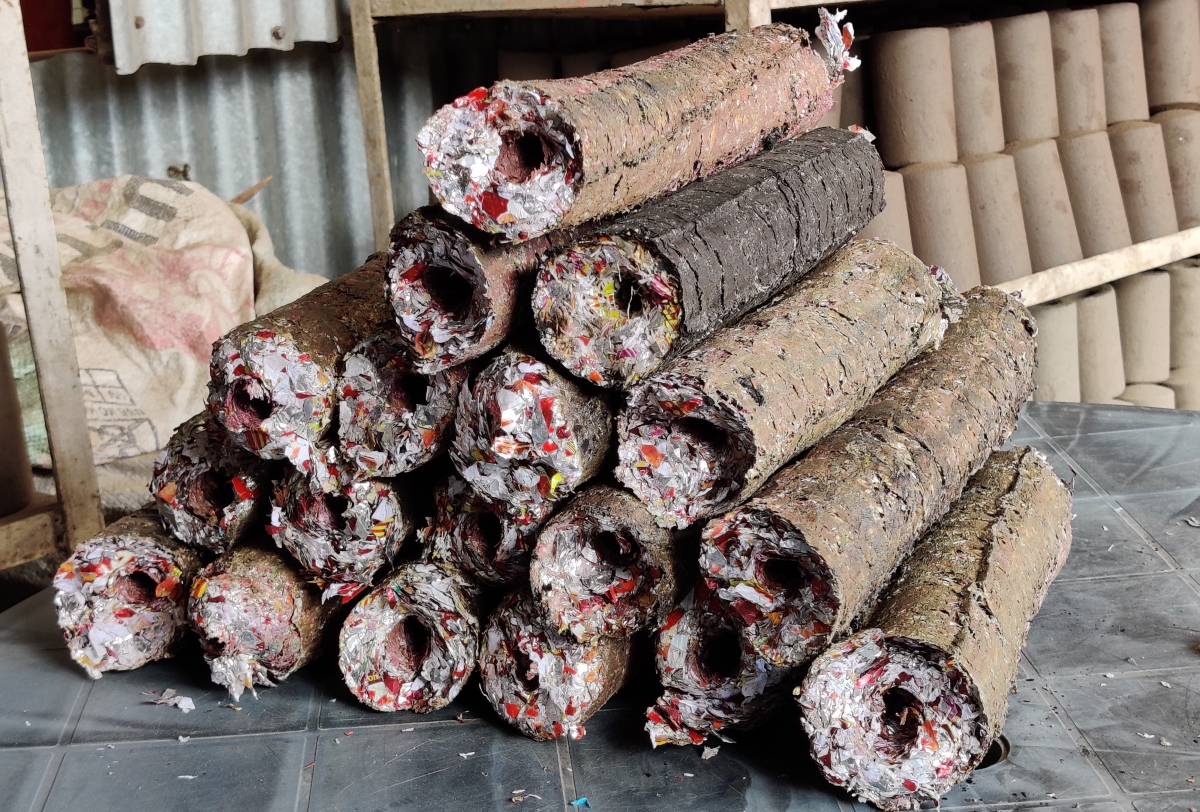
Recycling paper and cardboard into briquettes is an innovative way to reduce waste. Many households produce significant amounts of paper waste, and turning it into briquettes can provide an eco-friendly heating solution. This process helps divert paper from landfills, reducing the need for new raw materials.
Benefits of Eco-Friendly Briquettes Alternatives
- Reduced Carbon Emissions
One of the most significant advantages of eco-friendly briquettes is their reduced carbon footprint. By utilizing renewable materials and waste by-products, these briquettes generate fewer CO2 emissions compared to fossil fuels. This is crucial in the fight against climate change. - Sustainable Resource Utilization
Eco-friendly briquettes are made from materials that are often abundant and renewable. By converting agricultural waste and by-products into fuel, we reduce the strain on natural resources and promote a circular economy that values sustainability. - Cleaner Burning
Many eco-friendly briquette alternatives are designed to burn cleaner, producing less smoke and fewer harmful emissions. This not only improves air quality but also enhances the safety and comfort of cooking indoors. - Cost-Effective
Eco-friendly briquettes can be more cost-effective than traditional fuels. As interest in renewable energy sources grows, production methods improve, potentially driving down prices. Furthermore, using waste materials diminishes disposal costs and reduces waste management issues. - Versatility
Eco-friendly briquettes can be used across various applications, from home cooking and heating to industrial processes. Their versatility makes them suitable for a wide range of users, from households to restaurants and factories.
How to Choose Eco-Friendly Briquette Alternatives
When selecting eco-friendly briquettes, consider the following factors:
- Source of Materials
Look into where the briquettes come from and what materials were used in their production. Sustainable sourcing is crucial for ensuring that the briquettes have a minimal environmental impact. - Certification
Opt for briquettes that have certifications or endorsements from environmental organizations. This can help guarantee that the product meets specific ecological standards. - Burn Efficiency
Research the burn efficiency of different briquettes. Efficient burning means you’ll get more heat while producing less ash and smoke, resulting in a cleaner experience. - Local Availability
Whenever possible, choose briquettes that are produced locally to reduce transportation emissions and support local economies.
Conclusion
Eco-friendly briquettes alternatives offer a sustainable path forward in the quest for cleaner and more efficient energy sources. With a variety of options available, including wood briquettes, coconut shell briquettes, rice husk briquettes, agricultural residue briquettes, and paper briquettes, consumers can find alternatives that meet their needs while reducing their environmental impact. By embracing these innovative solutions, we can contribute to a greener planet and pave the way for a more sustainable future.
Transitioning to eco-friendly briquettes not only provides an effective heating and cooking solution but also represents a commitment to protecting our environment for generations to come.

saya sebagai membuat artikel yang lebih baik